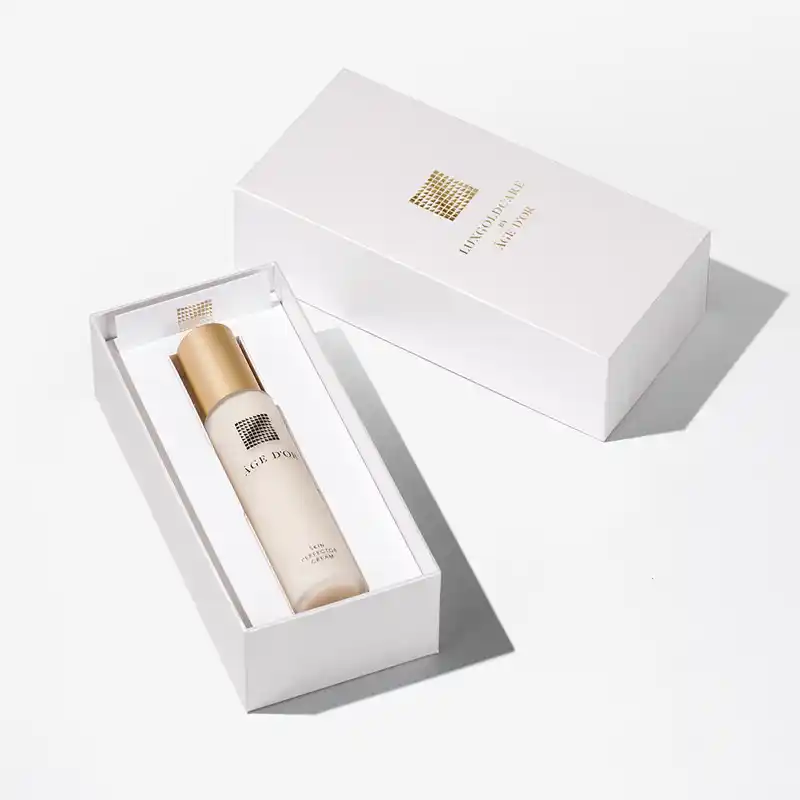
Skincare boxes come in drawer-style and lid-and-base designs to suit different display needs. The three-dimensional patterns created using a hot stamping process achieve a precision of up to 98% through precise temperature control. Ideal for everyday retail sales and festive gift-giving occasions, four-color printing reproduces brand-specific hues, while layered structures optimize user experience.
In today’s market where beauty products increasingly look alike, packaging serves not just as the product’s first layer of “skin,” but also as a carrier for brand culture. Skincare boxes, with their distinctive design language and refined craftsmanship, have gradually become a mainstream choice for cosmetic gift sets. Inspired by traditional aesthetics and enhanced by modern printing technologies, these boxes fulfill practical needs—holding toners, essences, creams, etc.—while boosting perceived value through visual appeal.
I. Structural Design & Functional Fit: Choosing Between Drawer and Lid-and-Base Styles
The core structure of skincare boxes falls into two categories: drawer-style and lid-and-base. Drawer-style boxes feature a sliding mechanism or snap-fit between the outer sleeve and inner tray. Opening requires pulling outward, making them ideal for staged product reveals—for example, showcasing the exterior artwork before gradually revealing bottles of serum or lotion inside. Lid-and-base designs separate into top and bottom sections; removing the lid exposes the contents. This format maximizes internal space, accommodating multiple trays or compartments, making it perfect for gift sets containing samples or bonus items. Both styles use 300gsm white cardboard as the base material, offering rigidity and excellent print adaptability to highlight foil stamping details.
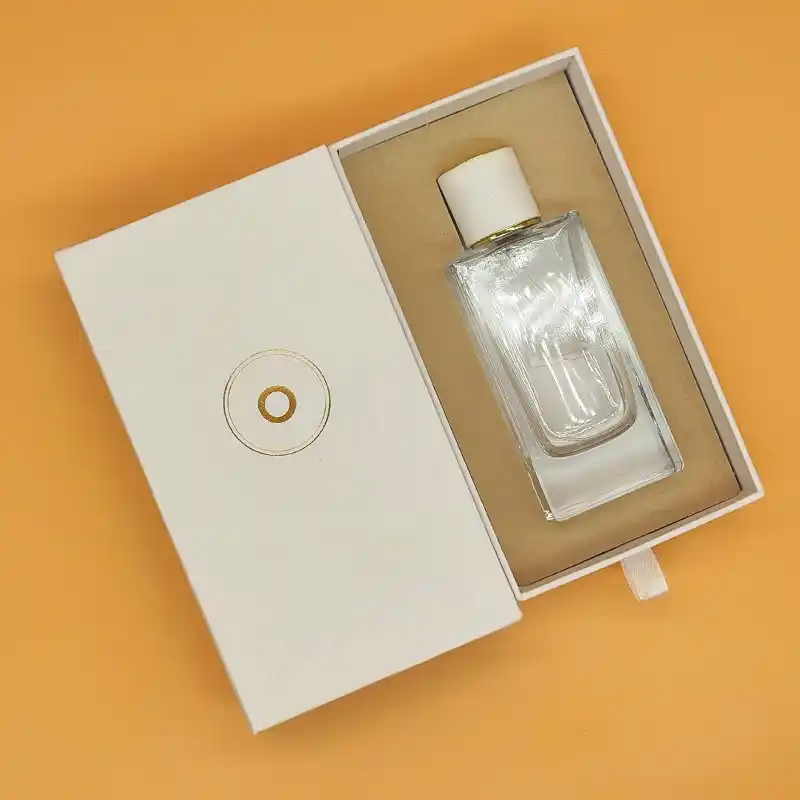
II. Craftsmanship Breakdown: How Foil Stamping Enhances Packaging Texture
Foil stamping is the standout technique in skincare box production. It involves transferring metallic foil onto paper via heat, creating shiny, raised patterns or text. Compared to conventional printing, foil stamping delivers greater depth—think embossed clouds or peonies on the box surface. The process consists of three critical steps: plate-making, positioning, and temperature control. Plate-making requires creating a metal die based on the design to ensure precise lines. Positioning aligns the foil with the paper mechanically or manually to prevent misregistration. Temperature control determines foil adhesion: excessive heat risks paper warping, while insufficient heat causes foil to peel off. Premium-grade foil stamping demands over 98% adhesion accuracy and shows no visible flaking under friction testing.
III. Application Scenarios & Versatility: From Retail Shelves to Holiday Gifting
Skincare boxes cater to both daily retail and seasonal gifting. In regular sales, four-color printing accurately matches brand color palettes—using CMYK values to replicate signature logo tones, ensuring consistency across product and packaging. Additionally, the drawer-style’s tiered layout can house various product sizes—essence on top, lotion below—aligning with user habits and elevating the unboxing experience. For corporate customization, boxes can incorporate brand stories, ingredient lists, or messages on the sleeve or inner tray, deepening engagement between brand and consumer.