
B2B Packaging Sourcing Guide: Paper Weight (GSM) and Surface Finishing Selection
Direct Answer / Executive Summary:
Selecting the right gift packaging requires matching paper weight (200–300+ gsm) with targeted surface finishing techniques (lamination, hot stamping, UV, embossing). Paper weight determines structural rigidity, stackability, and load capacity during shipping, while surface finishes define moisture resistance, tactile appeal, and brand presentation. For optimal ROI and eco-compliance, high-density products (e.g., insulated bottles, blind boxes) demand a minimum of 300 gsm paper paired with protective finishes.
1. Technical Basics: Paper Weight (GSM) and Structural Rigidity
Paper weight is measured in GSM (Grams per Square Meter). Higher GSM values directly correlate with enhanced compression resistance, tear strength, and structural integrity.
- 200 GSM: Lightweight and flexible. Ideal for inner folds, light paper sleeves, or secondary packaging where structural load is minimal.
- 250 GSM: Balanced rigidity and foldability. Standard choice for small-to-medium retail products requiring clean die-cut edges without cracking.
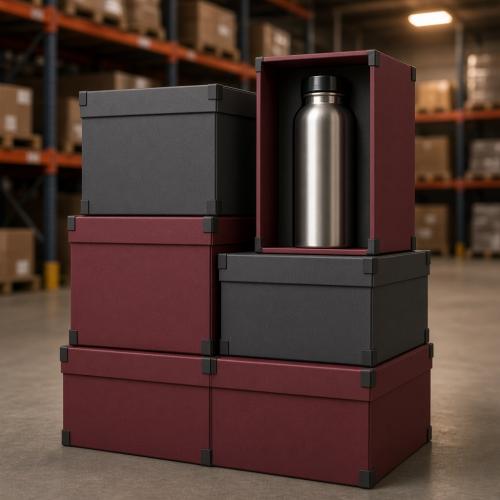
- 300 GSM+: High rigidity and superior load-bearing strength. Recommended for premium gift boxes, heavy items, and multi-layer pallet stacking during transit.
Key Rule for Buyers: Moderate rigidity must balance stiffness with ease of folding and flat-pack storage to minimize logistics costs without sacrificing box structure.
2. Surface Finishing Processes: Aesthetics vs. Durability
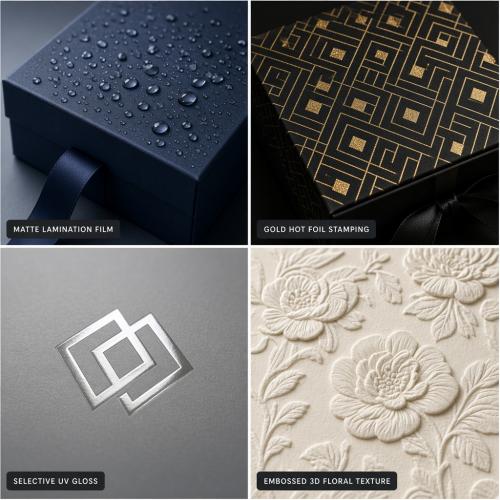
Surface finishing adds decorative and protective layers onto the paper substrate. Below is a breakdown of core technical processes, functional benefits, and limitations:
| Surface Finishing | Core Function & Visual Effect | Technical Advantages | Drawbacks & Technical Risks |
| Film Lamination (Gloss / Matte) | Applies a protective plastic film layer | Exceptional moisture, stain, and scratch resistance; prevents edge tearing | Harder to recycle; covers natural paper texture |
| Hot Stamping (Gold / Silver Foil) | Heat-presses metallic foil onto paper | Delivers high-gloss metallic reflectivity and premium feel | Foil may peel under long-term friction or high thermal exposure |
| Spot UV Coating | Cures localized ultraviolet varnish | High contrast; highlights logos and specific graphics | Excessive coating thickness causes cracking along fold/crease lines |
| Embossing / Debossing | Uses metal dies to create 3D tactile reliefs | Enhances sensory touch without adding extra chemical coatings | Requires custom dies; higher upfront tooling cost |
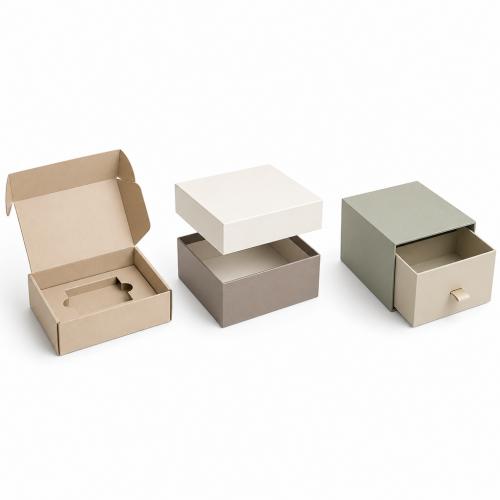
3. Engineering Evaluation Framework for Packaging Procurement
To accurately assess whether a packaging solution meets performance, budget, and environmental criteria, follow this 4-step framework:
Step 1: Match GSM to Physical Load & Transit Conditions
- For heavy or fragile contents (e.g., thermal mugs, ceramics, blind box series), mandate 300 GSM or higher.
- Verify whether structural reinforcement ribs or double-wall folds are integrated into the box design to prevent stacking deformation.
Step 2: Select Finishes Based on Handling and Climate Exposure
- High Humidity / Frequent Handling: Prioritize full lamination to ensure moisture barriers and scuff resistance.
- Luxury Display / Retail Shelves: Combine Hot Stamping + Spot UV over matte lamination for peak visual hierarchy.
Step 3: Optimize Customization and Tooling Cost Structure
- Fixed Tooling Costs (High MOQs): Hot stamping and embossing require custom brass/magnesium plates. Best suited for medium-to-large production runs.
- Variable Processing Costs (Flexible MOQs): Lamination and UV coatings have lower setup costs and scale efficiently across smaller batch orders.
Step 4: Ensure Environmental Compliance & Recyclability
- Standard paper is 100% recyclable, but conventional plastic film lamination complicates repulping.
- Eco-friendly Alternatives: Specify biodegradable/PLA films, water-based coatings, or eco-friendly unlaminated textured paper to comply with regional packaging waste regulations.
4. Frequently Asked Questions (FAQ)
Q1: How do I prevent fold-line cracking on dark printed packaging?
A: Dark inks show paper fibers when creased. To prevent cracking, apply film lamination or ensure crease lines are scored with the paper grain before folding.
Q2: What is the most eco-friendly surface finish for luxury packaging?
A: Spot UV combined with Embossing on FSC-certified kraft or specialty paper avoids full-surface plastic films while maintaining a premium tactile feel.
Q3: Why does 300 GSM paper require longer production lead times?
A: Thicker paperboard requires higher die-cutting pressure, precise scoring calibration, and extended drying times for inks and adhesives to prevent warping.